


The International Vipassana Meditation Center in Colombo 07 is listed at No. 108, Wijerama Mawatha, in the Cinnamon Gardens area. Its official Facebook page gives the telephone number +94 11 269 4100. Call before travelling: public pages agree on the telephone number, but they do not provide a dependable current meditation schedule, admission procedure, or walk-in policy.
This guide was fact-checked on 11 August 2026. It focuses on the practical information people searching for “vipassana Colombo” or “International Vipassana Meditation Center Colombo 07” usually need: the address, contact route, map reference, programme questions, visitor preparation, and photo sources.
A quiet practice space in a busy city
Colombo is a city of movement. Buses, offices, school traffic, markets, temples, restaurants and busy roads give the capital its daily rhythm. In Colombo 07, also known as Cinnamon Gardens, the International Vipassana Meditation Center offers a quieter setting for silence, reflection, Buddhist learning and the gradual training of attention.
For visitors interested in mindfulness, meditation or Sri Lanka’s living Buddhist culture, the centre adds a different dimension to the city. Sri Lanka’s quieter experiences are not limited to beaches, tea estates and forest monasteries. A practice space in central Colombo can also give a visitor time to sit still, observe the breath and notice the mind with patience.
International Vipassana Meditation Center Colombo 07: quick facts
| Detail | Information | What to verify |
|---|---|---|
| Name | International Vipassana Meditation Center / Centre, Colombo 07 | Both “Center” and “Centre” appear in public listings. |
| Street address | No. 108, Wijerama Mawatha, Colombo 07 (Cinnamon Gardens), Sri Lanka | Confirm the entrance or landmark when calling. |
| Telephone | +94 11 269 4100 | Ask for the date, arrival time, language, and admission procedure for your intended programme. |
| Map reference | WV5C+FRG, Colombo 00700 | Trip.com publishes this plus code; compare the map pin with No. 108 Wijerama Mawatha. |
| Official online channel | International Vipassana Meditation Center on Facebook | Check the date of any programme announcement before relying on it. |
| Opening and session times | Not reliably verified for a specific programme | Phone the centre; a social-profile business-hours label is not the same as a meditation timetable. |
The street address comes from an older Sinhala-and-English centre listing that also publishes the same telephone number. Trip.com’s attraction entry corroborates the telephone number and adds the plus code, while warning visitors to contact the attraction for specific opening hours. The centre’s official Facebook About page currently labels it “Always open.” Treat that as a profile setting, not proof that a teacher, office, or meditation session is available at every hour.
The Colombo 07 setting
Colombo 07 is one of the city’s greener central districts, with tree-lined roads, older residences, embassies, schools, cultural institutions and temples. The surrounding city remains close, but meditation practice asks participants to slow down. That contrast between movement outside and deliberate stillness inside is part of what makes an urban meditation centre distinctive.
Why it appeals to mindfulness seekers
Many travellers come to Sri Lanka for beaches, wildlife, Ayurveda, tea country or ancient kingdoms. A meditation centre adds another layer to that journey: the visitor pauses instead of moving immediately to the next attraction. Attention, rather than sightseeing, becomes the activity.
For local practitioners, students, professionals and lay Buddhists, a Colombo meditation centre can also be practical. Beginning a regular practice does not always require travel to a distant forest hermitage. An urban location may be easier to fit around work, study and family responsibilities, provided a suitable programme is available.
Make sure you have the right Vipassana centre
Google results for “vipassana meditation Colombo” mix several organisations. The International Vipassana Meditation Center at Wijerama Mawatha is in Colombo 07. It should not be confused with Dhamma Sobhā at Kosgama, Dhamma Kūṭa near Peradeniya, or the Kanduboda Siyane International Insight Meditation Center outside central Colombo.
This distinction matters because a course schedule belonging to another centre does not establish the programme dates, teaching method, fees, accommodation, or registration rules at Wijerama Mawatha. For example, Kanduboda’s official site identifies its centre separately and describes instruction in the Mahasi Sayadaw tradition. Dhamma.org publishes course calendars for named Goenka-tradition centres such as Dhamma Sobhā and Dhamma Kūṭa. Do not use one of those calendars to plan a visit to Colombo 07.
Directions and practical access
Use “No. 108, Wijerama Mawatha, Colombo 07” as the destination and keep the plus code WV5C+FRG as a cross-check. Colombo 07 and Cinnamon Gardens refer to the same broad district. If a taxi or tuk-tuk driver searches only for “Vipassana,” the result may point to another centre, so show the full street address.
Travel time in central Colombo varies sharply with traffic. Build in time to locate the entrance and complete any registration requested by the centre. If you are attending a fixed session, ask on the telephone how early participants should arrive. Do not assume that reaching the property before a listed time guarantees entry to a meditation hall.
From Fort, Kollupitiya, Bambalapitiya, Borella, Town Hall or elsewhere in Cinnamon Gardens, a taxi, tuk-tuk or ride-hailing service may be the simplest option. Confirm the full Wijerama Mawatha address in the map result. If a session ends in the evening, plan the return journey as well as the arrival.
What to confirm about meditation programmes
The legacy Lanka Vipassana website linked by older directory pages was unavailable when this guide was checked. An older listing also shows office windows, but the same page contains material dating to 2015. Publishing those hours as current would create false confidence. The safer approach is to ask programme-specific questions directly.
Use this checklist during the call:
- What programme is available on the exact date you plan to attend?
- Is advance application or approval required?
- Can a first-time visitor attend, and is there a minimum stay?
- Which languages are used for instructions?
- Is the visit non-residential, day-long, or residential?
- What clothing, documents, medicines, bedding, or other personal items are required?
- Are meals or accommodation provided, and is there a fee or donation policy?
- What is the correct arrival time and entrance?
Write down the name of the programme and the date confirmed. “Vipassana” describes a broad field of insight-meditation practice; it does not by itself tell you the length, daily timetable, teaching lineage, or residential rules of a particular course.
Silent practice and course expectations
The centre is publicly associated with Vipassana meditation and silent practice, but visitors should not assume that every day is open for casual drop-in meditation. A centre may operate through scheduled sessions, Dhamma talks, retreats or specific courses. Public pages can display different details at different times, which is why direct confirmation matters.
If you join a silent session or course, read the rules carefully. Silence is part of the training environment, not merely an atmosphere. Participants may be asked to follow set arrival times, dress codes, phone rules, seating arrangements and conduct guidelines. A residential retreat normally requires more preparation and commitment than a brief visitor session.
Beginner-friendly preparation
Choose modest clothing that covers the shoulders and knees and does not restrict sitting. Some residential Buddhist programmes in Sri Lanka ask participants to wear white, but that requirement has not been verified for every current programme at this centre. Ask before buying or packing special clothing.
Beginners do not need to arrive as expert meditators. Loose, comfortable clothing can make sitting easier. Avoid strong perfume, noisy jewellery and unnecessary belongings. If floor sitting is difficult, ask whether a chair or another posture is permitted. If you need medication or have a condition that affects sitting, fasting, meals, mobility or an overnight stay, raise it with the centre before registering. This guide cannot determine whether a programme is suitable for an individual medical need.
Arrive early enough to locate the entrance, remove shoes if requested, settle quietly and hear the opening instructions. Rushing through traffic and entering at the last moment can make it harder to settle.
Respectful visitor etiquette
A meditation centre is a living religious and practice space rather than a sightseeing stop. Keep your phone silent and stored away, speak softly, follow staff or teacher instructions, and request permission before photographing people, notices, shrines or meditation spaces. A public photo page does not imply that photography is permitted during a session.
Do not walk casually through an active meditation area or interrupt teachers and practitioners. Treat silence as part of the teaching environment. Even during a short visit, modest dress, patience and attention to local instructions matter.
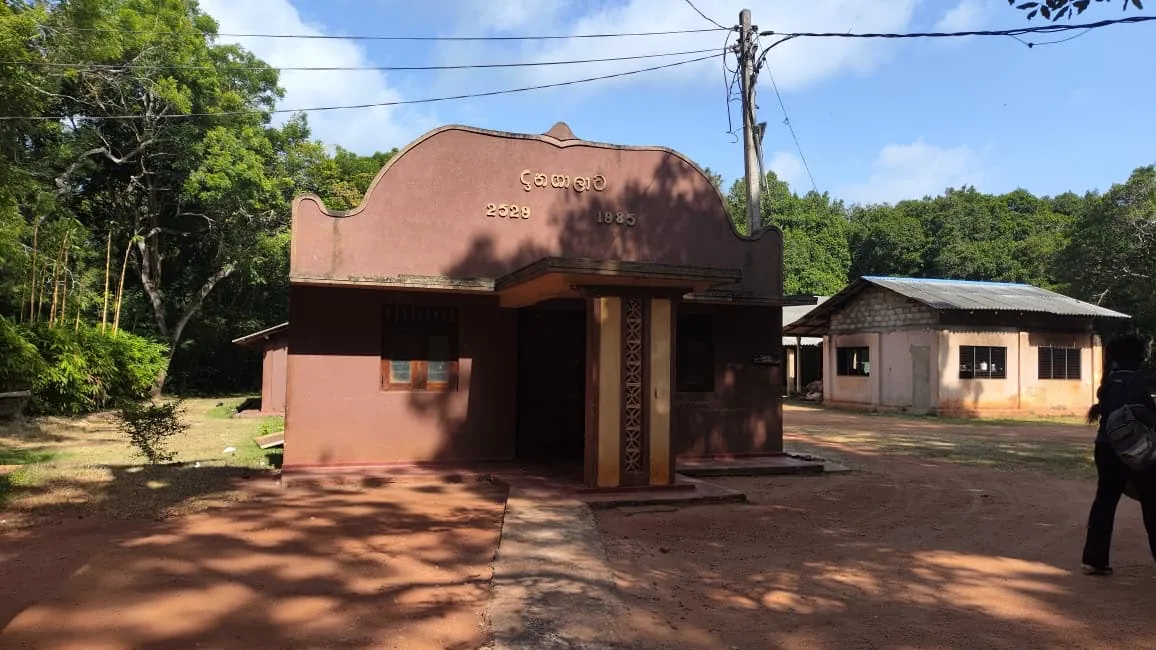
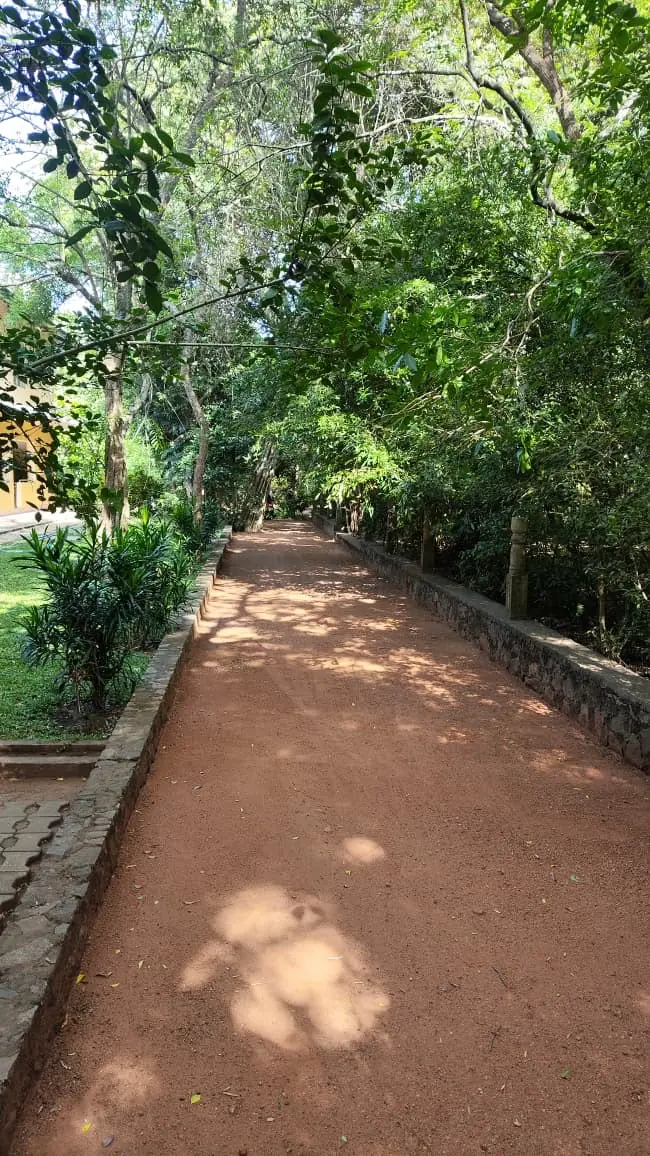
International Vipassana Meditation Center Colombo 07 photos
For the most relevant current images, begin with the centre’s official Facebook photo section. Instagram also has a Colombo 7 location page, but images there may be posted by visitors and should not be treated as official evidence of current facilities, access, or programme rules.
Check the upload date and caption when viewing any photo. Buildings, signs, entrances, and notices can change. If a photographed notice contains a timetable, confirm it by phone rather than assuming it remains in force.
Guidelines for the Residential Meditation Training Programme
- Every participant may join the programme only with an approval letter issued by the meditation centre; entry without this approval is not permitted.Applications should be submitted at least five days before the training begins.
- Participants must remain in full residence for the entire duration of the programme.Leaving in the middle of the programme, or arriving late, is not appropriate.
- All participants are expected to conduct themselves properly and be free of complaints or objections during their stay.
- Bringing valuable items, such as gold jewellery, during the programme should be avoided.
- The use of mobile phones should be avoided completely; any phone brought along should be handed in for safekeeping.
- White clothing should be worn for the entire time spent at the meditation centre.
Things to bring
- Clothing needed for observing precepts (“sil” attire)
- A bedsheet and a pillowcase
- Personal medicines and any necessary documents
What is Vipassana?
Vipassana is commonly translated as insight or clear-seeing meditation. In Buddhist practice, it involves observing bodily and mental experience carefully: breathing, sensations, thoughts, emotions, reactions and change. The exact instructions depend on the teacher and tradition. A beginner should follow the method given in the session instead of combining techniques from unrelated centres or online videos.
Vipassana is not simply relaxation, although calm may arise. Sitting quietly may reveal restlessness, sleepiness, impatience or worry. Noticing distraction and returning to the instructed object of attention are part of the training. The aim is not to manufacture a dramatic experience or guarantee immediate calm. Ask what posture alternatives are permitted and tell the responsible person if pain or distress becomes significant.
What a visitor may experience
A first visit may be quieter and simpler than expected: a hall, a teacher’s instructions, people sitting and repeated attention to present experience. There may be no ceremony or performance. The precise format depends on the programme, so this description should not be read as a guaranteed timetable.
The mind may not become calm immediately. That does not mean the session has failed. A beginner may first notice how busy the mind is and how often attention wanders. Recognising that pattern can itself be useful when approached patiently and without forcing an outcome.
Combining it with a Colombo itinerary
The centre can fit into a Colombo itinerary focused on culture and inner life. Nearby central areas include parks, temples, museums, bookshops, cafés and quieter residential streets. If you attend a confirmed morning or evening session, leave some unplanned time before and afterward rather than squeezing meditation between rushed sightseeing stops.
Mindfulness and travel
Travel often encourages collecting more places, photographs, reviews and movement. Vipassana directs attention toward what is happening now: bodily experience, mental reactions and change. In Sri Lanka, where Buddhist heritage is visible in stupas, Bodhi trees, temple bells and daily offerings, meditation offers a way to engage with the practice behind that visible heritage rather than viewing it only from outside.
Frequently asked questions
Can I walk into the International Vipassana Meditation Center in Colombo 07?
Public sources do not establish a dependable walk-in policy for a specific meditation session. Call +94 11 269 4100 first and explain whether you want an office inquiry, a short visit, or a place in a programme.
Is meditation instruction available in English?
English availability was not confirmed for the date of this audit. Ask which language the teacher will use for the exact programme you intend to attend. Do not infer English instruction from the word “International” in the centre’s name.
Are courses free?
No current fee or donation policy for this centre was verified. Other Sri Lankan Vipassana centres have their own arrangements, but those policies cannot be transferred to the Colombo 07 centre. Ask about fees, donations, meals, and accommodation during registration.
Do I need to wear white?
Modest clothing is the safe baseline. White clothing may be required for some residential or precept-observance programmes, but the requirement should be confirmed for your course before arrival.
May I take photographs inside?
Ask permission before taking photos, especially in meditation areas or when people are present. For images of the place, consult the official Facebook photo section; user-submitted location photos may not represent current conditions.
Is this the same place as Dhamma Sobhā or Kanduboda?
No. Dhamma Sobhā is at Kosgama, and Kanduboda is a separate insight-meditation centre outside central Colombo. Course dates or rules published by those organisations do not apply automatically to the International Vipassana Meditation Center on Wijerama Mawatha.
Final thoughts
The International Vipassana Meditation Center in Colombo 07 gives mindfulness seekers, Buddhist learners and travellers a place to look for disciplined practice within a busy city. Its value depends on the programme actually available and the visitor’s willingness to follow the centre’s instructions, not on spectacle or a guaranteed experience.
Before visiting, confirm the latest schedule, entrance, language, contact details and participation rules directly with the centre. Arrive modestly dressed, leave unnecessary noise outside, and allow enough time to enter the practice environment without rushing.
Other meditation-related stops in Sri Lanka
If your journey continues south, compare the setting and visitor information in our guides to the International Buddhist Centre in Galle and the Mahamevnawa Buddhist Monastery near Galle. Each centre has its own practice schedule and visitor arrangements.
Sources checked
- Official International Vipassana Meditation Center Facebook page
- Older Sinhala/English centre listing with the Wijerama Mawatha contact block
- Trip.com map reference and contact listing
- Kanduboda official site, used to distinguish the separate centre
The practical next step is simple: call the Colombo 07 centre, name the date and type of visit you want, and confirm the programme, arrival time, language, clothing, and admission requirements before starting your journey.


Loading comments…