


Gampaha Wickramarachchi University of Indigenous Medicine: History, Education, Herbal Gardens and Ayurveda Heritage
Gampaha Wickramarachchi University of Indigenous Medicine in Yakkala is one of Sri Lanka's most important places connected with Ayurveda, Siddhayurveda and indigenous medical education. Located on Kandy Road in the Gampaha District, the university carries a history that reaches back to 1929, when Ayurveda Chakravarthi Pandith G. P. Wickramarachchi founded a centre of learning for indigenous medicine. Today, the institution stands as a national university dedicated to preserving, teaching and developing Sri Lanka's traditional medical knowledge.
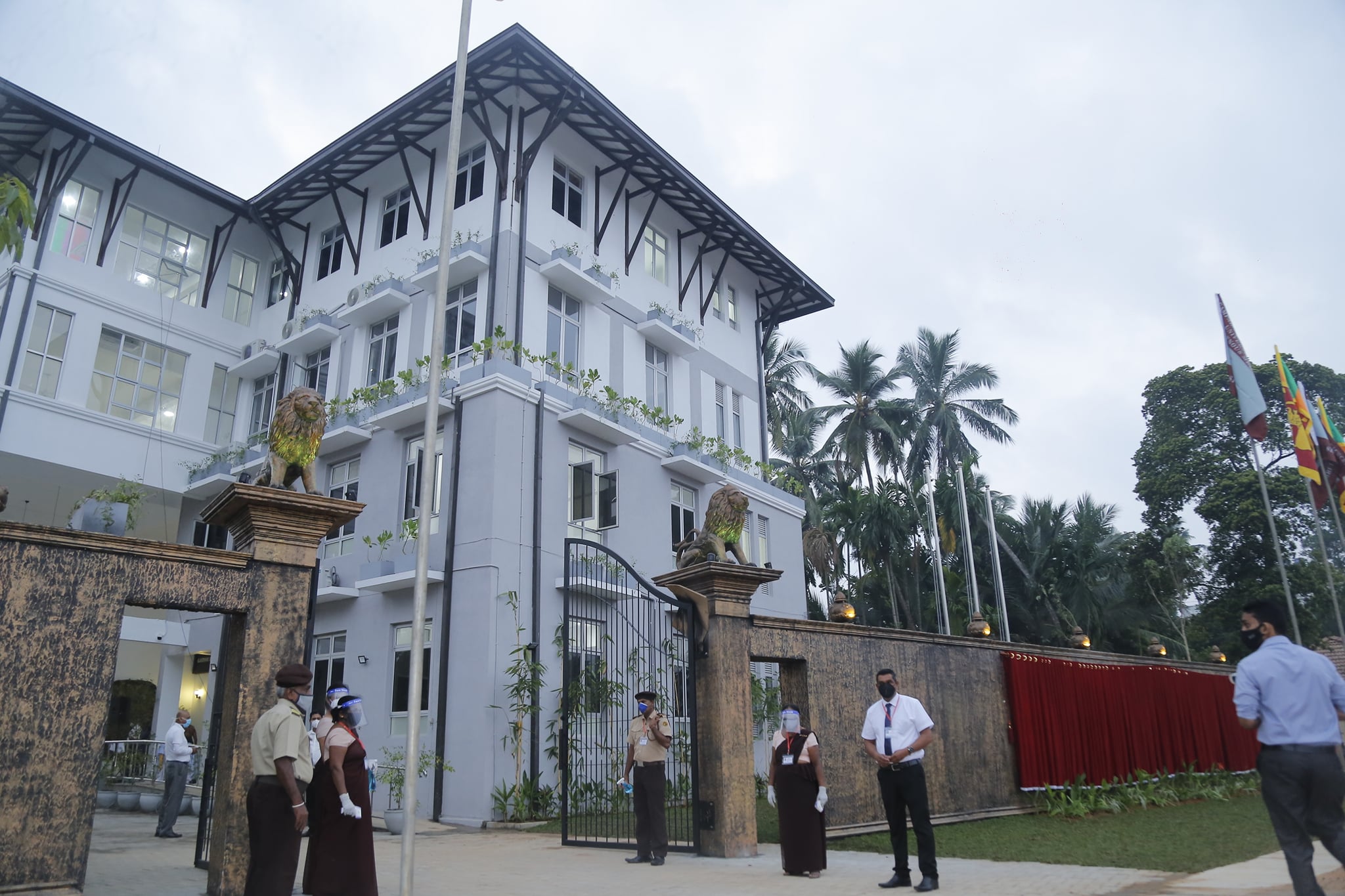
The story of this university is not only the story of a campus. It is the story of a medical tradition that grew from village physicians, herbal knowledge, classical Ayurveda, Siddhayurveda practice, pharmacy preparation and clinical training. In Gampaha District, many people still recognize the Wickramarachchi name as part of a wider culture of traditional physicians, Ayurveda pharmacies, herbal gardens and healing practices rooted in Sri Lankan life.
The Beginning in 1929
The official history of the university traces its origin to Sri Lanka Siddhayurveda Medical College, founded on 19 July 1929 by Ayurveda Chakravarthi Pandith Gebrial Perera Wickramarachchi. He was born in 1889 and later studied Ayurveda in India at Calcutta Ashtanga Ayurveda Vidyalaya under respected teachers. After returning to Sri Lanka, he used his personal land in Yakkala to create a centre where the Siddhayurveda traditions of indigenous medicine could be taught systematically.
This foundation was important because indigenous medicine had long lived through family lineages, village healers, manuscripts, apprenticeship and practical experience. By creating an organized institution, G. P. Wickramarachchi helped bring traditional medical knowledge into a formal educational environment. The early college trained students, supported physicians and strengthened the link between herbal knowledge and clinical practice.
The first board of management included respected religious and medical leaders, showing that the institution was connected with both learning and national cultural revival. At a time when Sri Lanka was moving through colonial-era changes and national awakening, indigenous medicine education carried cultural meaning as well as medical value.
From Vidyalaya to University
The institution grew step by step across many decades. In 1951, it was recognized as a state academic institute of Ayurveda and indigenous medicine. In 1982, it was incorporated under the Ministry of Indigenous Medicine. In 1995, it became affiliated with the University of Kelaniya as the Gampaha Wickramarachchi Ayurveda Institute. In 1998, the Bachelor of Ayurveda Medicine and Surgery programme began, and postgraduate degree programmes followed in 2002. In 2021, the institution was established as Gampaha Wickramarachchi University of Indigenous Medicine.
These milestones show how an institute that began as a Siddhayurveda learning centre developed into a modern university. The journey reflects a larger change in Sri Lanka: traditional medical knowledge moved from family practice and small teaching centres into state-recognized higher education, research, degree programmes and professional training.
Today, GWUIM includes academic areas related to indigenous medicine, health sciences, technology, social sciences, management studies and graduate studies. The university's identity remains strongly connected with indigenous medicine, while also facing the modern challenge of linking traditional knowledge with contemporary education, research and healthcare needs.
History of Indigenous Medicine Education
Sri Lankan indigenous medicine is a broad heritage. It includes Ayurveda, Siddha, Unani, Deshiya Chikitsa and local healing traditions that have been practiced across communities for generations. In many villages, medical knowledge was carried by traditional physicians known as wedamahattayas or local healers, who learned through family inheritance, apprenticeship, observation and long experience with patients.
Formal institutions such as Gampaha Wickramarachchi changed the way this knowledge was taught. Students could learn anatomy, Ayurveda fundamentals, Dravyaguna, diagnosis, pharmacy preparation, clinical subjects, traditional treatment methods and relevant modern sciences in a structured way. This did not remove the value of old physician lineages; rather, it created a bridge between traditional knowledge and academic training.
Indigenous medicine education is important because it preserves knowledge that can easily disappear if not taught carefully. The names of plants, preparation methods, diet advice, seasonal care, oil treatments, decoctions, external therapies and diagnosis patterns are all part of a living medical culture. A university gives young students a place to study these systematically while also learning how to serve patients responsibly.
Herbal Gardens and Plant Knowledge
Herbal gardens are central to Ayurveda and indigenous medicine education. A medicinal plant is not only a name in a textbook. Students need to see the leaf, smell the bark, understand the root, learn the season, identify the plant correctly and know how it is used in preparations. In the Wickramarachchi tradition, herbal drug preparation and plant knowledge have always been important parts of the learning culture.
In an Ayurveda education environment, a herbal garden becomes a living classroom. It can teach students about plants used in decoctions, oils, powders, pastes and external treatments. It also helps protect rare or locally important medicinal species. For visitors, herbal gardens show how closely Sri Lankan healing traditions are connected with soil, climate, village gardens and forest knowledge.
Gampaha District has long been associated with home gardens, medicinal plants and Ayurveda preparation. Even in ordinary households, people may know simple herbal uses for coughs, digestion, wounds, skin care or body cooling. The university tradition gives this plant-based knowledge academic depth, while local physicians and pharmacies keep it connected with everyday life.
Ayurveda Pharmacies and Medicine Preparation
Ayurveda pharmacies are another important part of the Gampaha Wickramarachchi heritage. Traditional medicine is not only consultation; it also depends on correct preparation. Oils, decoctions, pills, powders, pastes, fermented preparations and external applications require careful ingredients, proportions, heating, timing and storage. A small error in preparation can change the quality of a medicine.
The Wickramarachchi name is also connected with Siddhayurveda pharmacy and herbal products. Family-linked Ayurveda manufacturing and dispensary traditions have continued across generations, showing how education, pharmacy and practice can support each other. For students, pharmacy knowledge is essential because physicians must understand what they prescribe. For patients, good pharmacy practice builds trust.
Ayurveda pharmacies in the Gampaha area are part of a larger healthcare culture. People may visit them for oils, herbal preparations, tonics, external applications or physician-prescribed medicines. Responsible use is important. Patients should consult qualified or registered practitioners rather than self-medicating for serious conditions. Indigenous medicine has deep value, but it should be practiced with knowledge and care.
Teaching Hospital and Clinical Training
Medical education cannot remain only in classrooms. Students must learn from patients, teachers and real clinical situations. The Gampaha Wickramarachchi Ayurveda Teaching Hospital in Yakkala plays an important role in this training environment. Teaching hospitals connect theory with practice by allowing students to observe diagnosis, treatment planning, pharmacy use, patient care and follow-up under professional guidance.
Clinical training is especially important in Ayurveda and indigenous medicine because treatment often considers body constitution, diet, lifestyle, disease stage, environment and patient history. A physician must listen carefully and choose treatment with judgment. Books provide the foundation, but patients teach the living complexity of medicine.
The presence of a teaching hospital also serves the public. It gives people access to traditional Ayurvedic care while supporting the next generation of practitioners. This relationship between community and education is one of the strengths of the Gampaha Wickramarachchi tradition.
Traditional Physicians in Gampaha District
Gampaha District has a strong connection with traditional physicians and Ayurveda families. Many communities still respect local wedamahattayas for treatments related to fractures, sprains, skin issues, digestive problems, long-term wellness, oil treatments, herbal baths and seasonal health practices. Some physicians inherit knowledge through family lines, while others combine traditional learning with institutional education.
The value of traditional physicians is not only in medicine. They are part of community memory. They often know local plants, village habits, food customs, climate patterns and family histories. In the past, people visited a physician not only for a prescription, but for advice on diet, behavior, rest and prevention. That holistic relationship remains one of the beautiful qualities of indigenous medicine.
At the same time, modern patients need guidance and safety. Serious illnesses, emergencies and complex conditions require proper diagnosis and referral when needed. The best future for indigenous medicine is not blind belief or rejection of modern healthcare, but wise cooperation, good education, ethical practice and respect for evidence, tradition and patient well-being.
Video Context
Readers who want more visual context can watch this video about Gampaha Wickramarachchi University of Indigenous Medicine: GWUIM video overview. A video can show the campus and atmosphere, but the deeper story is found in the institution's long history of education, herbal knowledge and service to indigenous medicine.
Why This University Matters
Gampaha Wickramarachchi University of Indigenous Medicine matters because it protects a bridge between old knowledge and modern education. Without institutions, traditional medical knowledge can become scattered, commercialized or forgotten. Without traditional physicians and practical experience, education can become too theoretical. GWUIM stands between these worlds: classroom and clinic, herb garden and pharmacy, village healer and university graduate.
It also matters for Sri Lanka's cultural identity. Indigenous medicine is part of the island's history, language, food culture, home remedies, religious life and relationship with nature. Studying it seriously means respecting the people who preserved it and preparing new generations to carry it responsibly.
A Living Heritage in Yakkala
From its beginning in 1929 as a Siddhayurveda medical college to its present role as a university, Gampaha Wickramarachchi University of Indigenous Medicine has carried a rare responsibility. It teaches, preserves, researches and renews indigenous medicine for a changing society. Its story includes G. P. Wickramarachchi's vision, state recognition, university affiliation, degree programmes, herbal gardens, pharmacies, teaching hospitals and the continuing presence of traditional physicians in Gampaha District.
For anyone interested in Sri Lankan Ayurveda, herbal medicine, education or cultural history, this university is more than an academic institution. It is a living heritage in Yakkala, where plants, books, pharmacies, physicians, students and patients all belong to one long story of healing.



Loading comments…