


Last reviewed: June 13, 2026
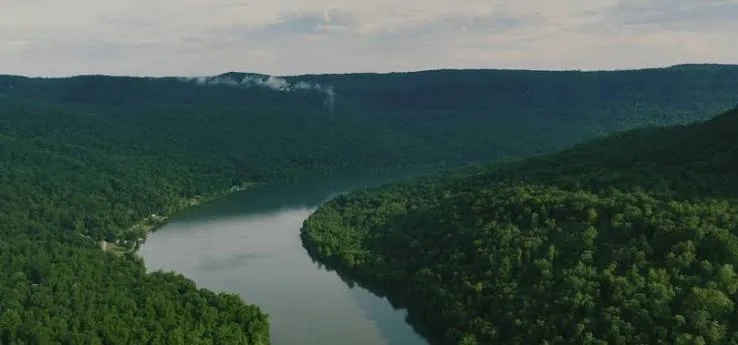
Loggal Oya From Matale and Laggala: Water Beauty, Forest Nature, Kithul and Old Royal Legends
Loggal Oya is best understood as a water-and-forest landscape connected to the wider Matale, Laggala and Mahaweli region. For travellers coming through Matale's hill-country edge, it offers a story of flowing water, river connections, village food culture, spices, caves, wildlife and old legends that still live in local memory.

Many people hear names like Matale, Laggala and Loggal Oya and imagine only one simple destination. The real feeling is richer. This is a landscape of water moving through hills, forests holding old stories, village paths scented by spice gardens, and small food traditions such as kithul ra, kithul treacle and kithul hakuru. It is also a place where travellers should separate verified history from folklore, because stories of raja paramparawa, nidana and ancient caves can easily become exaggerated.
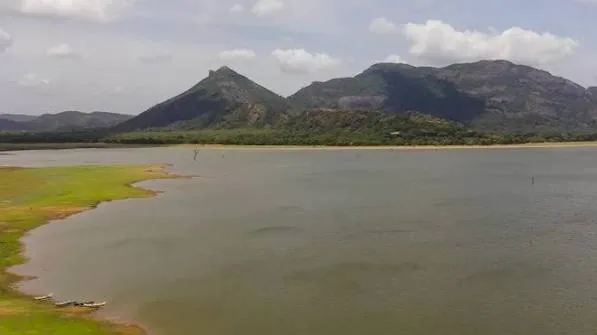
This guide keeps both sides together: the natural beauty that can be seen and the cultural memory that should be treated with respect. Loggal Oya Reservoir itself is generally described in sources as being on the Mahiyanganaya side, associated with the Mahaweli Development Project, while the Matale and Laggala route gives it a strong Central Province nature-and-culture frame. So the best way to read this article is as a Matale-to-Loggal-Oya landscape guide, not as a claim that the reservoir sits inside Matale town.
Why Loggal Oya Feels Special
The beauty of Loggal Oya begins with water. Oya means stream or watercourse, and the name itself points to movement. In the dry and intermediate zones of Sri Lanka, water is never just scenery. It is life for paddy fields, animals, trees, village households and old settlement patterns. When water gathers in a reservoir or runs through a river channel, the whole landscape changes around it.
Sources on the Loggal Oya water system describe it as part of a larger hydrological story. A concept paper on the Badulu Oya and Loggal Oya water transfer proposal notes that Loggal Oya has a large catchment and that water from the area can discharge toward the Mahaweli Ganga during flash floods when local storage is limited. That means the beauty of the place is not only what the eye sees at the water's edge. It is also the hidden connection between hills, rainfall, streams, reservoirs and the great Mahaweli river system.
The Beauty of Water and River Connections
A calm reservoir or river bend is easy to admire, but Loggal Oya becomes more meaningful when you think about where the water comes from and where it goes. Rain falls on hills and forested slopes. Small streams gather strength. The water moves through stone, roots, sand, farmland and village channels. Finally, some of it joins larger waterways and supports communities far beyond the first place where the rain touched earth.
This is why Loggal Oya is a good subject for a Sri Lankan nature article. It teaches that rivers are not isolated. A small oya can be linked to major river systems, irrigation decisions, flood behaviour, agriculture and village food culture. For a traveller, the lesson is simple: do not only look at the water surface. Watch the trees around it, the rocks on the banks, the fields nearby, the birds in the morning and the way local people speak about rain.
Matale, Laggala and the Hill-Country Edge
Matale District is one of Sri Lanka's most layered regions. It is close to the Central Highlands, connected to old routes, and famous for spice culture. Central Province tourism describes Matale as a district of history, nature, culture and spice gardens. From Matale toward Laggala, the landscape becomes more rugged and forested, with hill views, village roads, streams, rocks and pockets of traditional agriculture.
Laggala adds a wilder feeling to this story. The name is often associated with mountain scenery, old tracks, forest edges and stories of caves and kings. Whether a traveller is going directly to Loggal Oya or simply exploring the broader Matale-Laggala route, the mood is different from a polished tourist garden. It is more rural, more textured and more dependent on patience.
Raja Paramparawa and Nidana Stories
In many Sri Lankan villages, old landscapes carry stories of raja paramparawa: kings, royal journeys, hidden pathways, temples, cave shelters and forgotten boundaries. Around Matale and Laggala, such stories often attach themselves to rocks, water sources and gal len. They are part of how people remember the land.
But nidana stories must be handled carefully. Treasure legends can damage real heritage when people dig into caves, break stones or disturb archaeological places. A responsible traveller should never search for treasure, remove objects, damage rock surfaces or enter protected sites without permission. The true nidana of a place like Loggal Oya is not gold hidden underground. It is water, forest, local knowledge, food culture, biodiversity and the old memory preserved by village people.
Gal Len and Kataram Cave Heritage
The Matale and Laggala region has many places where rock shelters and caves appear in local memory. Some Sri Lankan cave sites include kataram, or drip-ledges, cut into the rock above a cave mouth to keep rainwater from entering the shelter. These features are often associated with ancient monastic use, though each site needs proper archaeological verification before making claims.
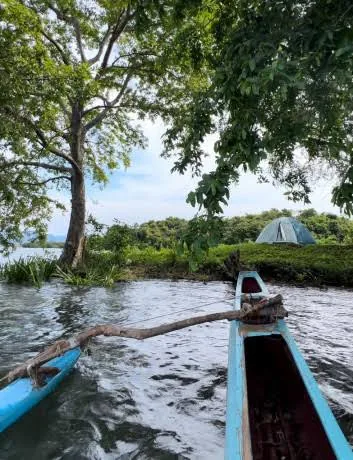
For travellers, the important rule is respect. A gal lena is not only a dramatic photo location. It may be a heritage place, a religious place, a habitat for animals or a fragile natural formation. Do not write on stone, light fires, leave plastic, remove objects or follow rumours about hidden treasures. If a site has official guidance or local caretakers, follow that guidance.
Kithul Ra, Kithul Hakuru and Village Taste
The food memory of this region is just as important as the scenery. Kithul palms grow in many wet and intermediate-zone village landscapes, and kithul sap has long been used to make local products. Sri Lanka Export Development Board material explains that kithul treacle is produced by heating sap from the kithul flower and that it is valued as a natural sweetener. Kithul hakuru, or jaggery, carries that same deep village flavour in solid form.
When people talk about kithul ra, they are often speaking of fresh fermented kithul toddy, a traditional rural drink. It belongs to local food culture, but visitors should approach it responsibly and legally, especially because alcohol rules and local practices can vary. For a nature-focused traveller, the broader point is not to romanticize drinking. It is to understand how palms, forests, village skill and taste are connected.
Kithul hakuru with plain tea, curd, roti or simple village meals can feel like a direct taste of the landscape. It is sweet, smoky, earthy and local. In an article about Loggal Oya and Matale-Laggala nature, kithul belongs naturally because it shows how people turn forest-edge resources into food traditions.
Spices of Matale
Matale is one of Sri Lanka's best-known spice regions. Sri Lanka Tourism highlights spice gardens in Matale and mentions spices such as cinnamon, pepper, cardamom, nutmeg and mace. These are not just export crops or tourist demonstrations. They shape the smell of the region: leaves, bark, seeds, drying spices, garden shade and the warm scent of cooking.
A journey from Matale toward Laggala or Loggal Oya can include this spice identity. Pepper vines climb supports. Cardamom memories link the region to wetter forest edges. Nutmeg and mace remind travellers that Sri Lanka's hill-country villages are also agricultural landscapes. The beauty here is not only visual; it is aromatic.
Animals, Forest and the Thought of Diviya
The forests and highlands around Matale and the Knuckles region are part of a wider biodiversity story. The Central Highlands and Knuckles landscapes are known for high endemism and rare species, and conservation organizations often highlight the ecological value of these forests. In Sinhala village speech, diviya often points to the leopard, an animal that represents wildness, secrecy and the deeper forest.
A traveller should not expect to see a leopard casually near a road or water body. In fact, it is better for wildlife when people do not chase sightings. The value of mentioning diviya is to remember that forests are not empty scenery. They are habitats. Monkeys, birds, reptiles, insects, small mammals and sometimes larger predators all belong to the same living system that protects water and gives the landscape its mystery.
How to Experience Loggal Oya Calmly
- Travel slowly and allow time for stops at water, rock and village viewpoints.
- Ask local people for route guidance, but treat folklore as folklore unless verified.
- Do not enter private land, forest reserves or heritage caves without permission.
- Buy kithul hakuru, treacle or spices from responsible local sellers when possible.
- Keep noise low near water bodies and forest edges, especially early morning.
- Do not litter, bathe carelessly in unknown water, or disturb wildlife.
- Never dig for nidana or remove objects from caves, rocks, temples or old sites.
A Different Kind of Sri Lankan Beauty
Beauty of Sri Lanka has already explored calm places such as Nissarana Vanaya and garden landscapes such as Gampaha Botanical Garden. Loggal Oya and the Matale-Laggala route offer another type of beauty. It is less formal than a garden and less inward than a monastery. It is the beauty of water, village memory, forest edges, spice gardens, kithul palms and old rock shelters.
This is the kind of place that rewards a curious traveller. You may not leave with one famous photograph. Instead, you may remember the sound of water, a bend in the road, a packet of kithul hakuru, the smell of pepper, a distant hill, a story about kings, or a cave mouth under stone.
Final Thoughts
Loggal Oya from the Matale and Laggala side is not only a water destination. It is a landscape story. Its river connections remind us how rainfall, reservoirs and the Mahaweli system shape life. Its village culture brings kithul ra, kithul hakuru and spices into the journey. Its forests carry animals, silence and the thought of diviya. Its rocks and gal len hold memory, while raja paramparawa and nidana legends must be treated with care.
The calmest way to enjoy this region is to travel respectfully, listen more than you speak, protect the water and leave heritage untouched. Then Loggal Oya becomes more than a name on a map. It becomes a reminder that Sri Lanka's real beauty often flows quietly between nature and memory.
Sources
- LankaPradeepa: Loggal Oya Reservoir
- Concept paper on Badulu Oya and Loggal Oya water transfer
- Sri Lanka Tourism: Spice Gardens
- Sri Lanka Export Development Board: Kithul Products
- Central Province Tourism: Matale District Destinations
- Global Environment Facility: Guardians of Sri Lanka's Knuckles Range
- AmazingLanka: Kiri Amma Ulpatha, Laggala
Colombo to Loggal Oya
A practical route guide to the quiet reservoir and forested hills of Loggal Oya in Uva Province — how to get there, how long it takes, and what to expect along the way.
Loggal Oya is a large reservoir and lake tucked along the Mahiyangana Road in Uva Province, not far from Badulla. It's known for calm water views framed by forested hills, birdwatching, and the option of a boat ride — more of a peaceful stopover or day-trip spot than a major tourist hub, which is exactly its appeal. Getting there from Colombo means heading inland toward the central hills, then swinging into Uva Province.
Route Options from Colombo
1. Private Car or Hired Driver
The simplest way to reach Loggal Oya is by private vehicle or a hired driver, especially if you plan to combine the trip with stops in Kandy or Ella. A typical route runs:
- Colombo → Kandy (via the Central Expressway, roughly 2.5–3 hours)
- Kandy → Mahiyangana (through the hill country, around 2–2.5 hours)
- Mahiyangana → Loggal Oya, continuing along Mahiyangana Road toward Badulla (roughly 45 minutes to 1 hour)
This is the most scenic option, passing through central hill scenery, and gives you full control over stops along the way.
2. Train + Taxi
A commonly used and economical combination is to take the train from Colombo toward the hill country (Badulla-bound lines via Kandy or Nanu Oya, depending on availability) and then complete the final stretch by taxi or tuk-tuk. This combined journey typically takes around four hours and costs considerably less than a private car, though it does involve a transfer.
3. Bus + Local Transport
Long-distance buses run from Colombo toward Badulla or Mahiyangana. From either town, a local bus, tuk-tuk, or short taxi ride will get you to Loggal Oya along Mahiyangana Road. This is the cheapest option but takes the longest, and connections can require some waiting.
4. Via Ella and Badulla
If your trip already includes Ella (a common stop for travelers heading through the hill country), you can reach Loggal Oya from there by following the Bandarawela–Badulla road, passing through Demodara and Hali-Ela into Badulla, then continuing along Mahiyangana Road to reach the reservoir.
Comparing Your Options
| Method | Approx. Time | Cost | Best For |
|---|---|---|---|
| Private car / driver | 5–6 hrs | $$$ | Comfort, scenic stops, flexibility |
| Train + taxi | 4–5 hrs | $$ | Budget travelers who want a mid-length trip |
| Bus + local transport | 6+ hrs | $ | Lowest cost, more time to spare |
| Via Ella / Badulla | Varies | $–$$ | Travelers already touring the hill country |
Good to Know Before You Go
Suggested Day Plan
- Depart Colombo early morning (6–7 AM) to avoid traffic on the way out of the city.
- Stop in Kandy for breakfast or a short visit if traveling by road.
- Continue through the hills toward Mahiyangana, then on to Loggal Oya by early-to-mid afternoon.
- Spend an hour or two at the reservoir — walk the bund road, arrange a boat ride, or just take in the view.
- Continue on to Badulla or Ella for the night, or begin the return journey if doing this as a long day trip.


Loading comments…