


Negombo's Trawler-Boat Fishing Industry: Harbour Work, Multi-Day Boats and the Journey From Sea to Market
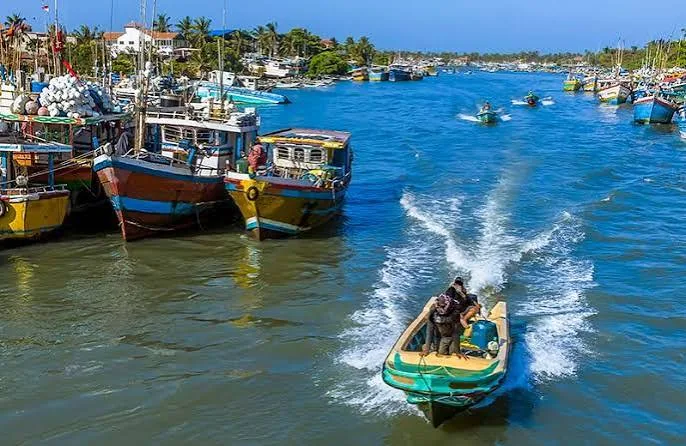
Negombo is one of Sri Lanka's best-known fishing cities. Before sunrise, boats move across the dark sea and lagoon, harbour lights reflect on the water and workers prepare for another day of landing, sorting, icing and selling fish. The industry supports far more than crews at sea. It creates work for auctioneers, fish handlers, net makers, mechanics, ice suppliers, drivers, market sellers, processors and families across the coastal region.
The phrase “towboat fishing industry” is sometimes used when people mean trawler boats or larger multi-day fishing vessels. These terms should be handled carefully. A trawler is technically a vessel that tows a fishing net, while many Sri Lankan multi-day boats use other gears such as gillnets or longlines. A large colourful boat in Negombo harbour should not automatically be described as bottom trawling. The vessel, fishing method, target species and legal rules are separate questions.
Why Negombo Became a Fishing Centre
Negombo lies on Sri Lanka's western coast in Gampaha District, north of Colombo and close to Bandaranaike International Airport. It has access to both the Indian Ocean and the shallow Negombo Lagoon. This combination supports several kinds of fishing within one local economy.
Lagoon fishers may work from smaller craft using methods suited to sheltered water and species such as prawns, crabs and lagoon fish. Coastal crews operate close to shore, sometimes returning the same day. Larger offshore or multi-day vessels travel farther and remain at sea for longer periods, carrying ice, fuel, water, food and fishing gear.
The nearby harbour, landing places, fish markets, roads and ice facilities help turn catches into commercial products quickly. Negombo's connections with Colombo and other towns make it possible to distribute fresh fish to restaurants, shops and wholesale markets soon after landing.
Traditional Boats and Modern Vessels
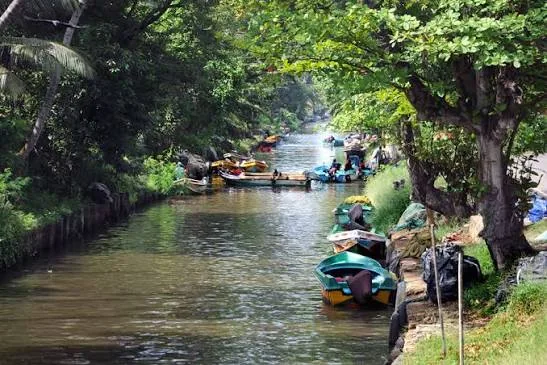
Negombo's fishing identity includes both traditional craft and motorised boats. The narrow outrigger canoe, often called an oruwa, remains one of the most beautiful symbols of Sri Lankan coastal fishing. Its balance, sail tradition and shallow-water usefulness reflect generations of practical knowledge.
Fibreglass boats with outboard engines allow small crews to reach fishing grounds more quickly. Day boats can return with fresh catch for the morning or afternoon market. Larger inboard-powered vessels are designed for longer voyages and carry sleeping space, storage, ice holds and navigation equipment.
The harbour can therefore look like a floating record of technological change. Wooden forms, fibreglass hulls, painted cabins, masts, antennas, buoys and coiled lines share the same water. Each design reflects a different distance, cost and fishing strategy.
What Is a Multi-Day Fishing Boat?
A multi-day boat is built to remain offshore for days or longer, depending on vessel size, permits, weather and fishing plan. Before departure, the crew loads fuel, freshwater, food, ice, bait and gear. Mechanical checks matter because a failure far from shore can become a serious emergency.
Ice is central to the business. Fish begins losing quality after capture, especially in tropical heat. A clean, well-managed ice hold slows deterioration until the vessel returns. Poor handling reduces price and can create food-safety risks even if the catch initially looked valuable.
Offshore crews may target tuna and other large pelagic fish, but catches vary by season, gear, location and regulation. Longlines use baited hooks attached to a main line. Gillnets catch fish that encounter net panels. Other legal gears may also be used. The term trawler should not be applied to every multi-day vessel unless it actually tows a trawl net.
Trawling and Towed Gear
Trawling involves towing a net through water or along a seabed. Different trawls have different designs and environmental effects. Bottom trawling can damage seabed habitats and produce unwanted bycatch, which is why fishing methods are subject to national law, licensing and management.
A responsible article should not provide instructions for evading fisheries rules or using prohibited gear. Crews and vessel owners must follow current Department of Fisheries requirements, licence conditions, seasonal restrictions, protected-species rules and maritime boundaries. Regulations can change, so current legal advice should come from the authorities rather than old social-media posts.
Sustainable fishing protects the future of the industry. A short-term increase in catch means little if juvenile fish, breeding grounds or protected animals are repeatedly lost. Selective gear, careful handling and accurate catch records help balance income with conservation.
Preparing for a Voyage
The work begins before the boat leaves Negombo. Nets and lines are inspected for damage. Hooks, floats, ropes and buoys are counted. The engine, fuel system, batteries, bilge pumps and navigation lights must function correctly. Weather information and official warnings should guide the departure decision.
Safety equipment may include life jackets, fire extinguishers, first-aid supplies, distress signals, communication equipment and navigation devices appropriate to the vessel and legal requirements. Carrying equipment is not enough; crews must know how to use it.
Food and water need protection from fuel, oil and fish waste. Ice holds should be clean. A well-prepared boat protects the crew and improves the quality of the catch.
Life at Sea
Multi-day fishing is physically demanding. Crews work around wet decks, heavy lines, sharp hooks and moving equipment. Sleep can be interrupted by fishing operations and weather. Saltwater, heat and limited space make even ordinary tasks difficult.
The ocean can change quickly. Monsoon conditions, squalls and high waves may delay a voyage or force a boat to shelter. Weather warnings should never be ignored for fear of losing a fishing day. A catch can be replaced; a life cannot.
Families on shore also carry the uncertainty. They wait for messages and harbour arrivals while managing homes and expenses. The fishing industry is therefore emotional as well as economic. Every returning boat brings relief before its catch is even unloaded.
Returning to Negombo Harbour
Arrival begins a new chain of work. Boats queue, tie up and prepare their holds. Fish must be lifted without unnecessary damage, sorted by species and size, washed or handled according to food-safety practice and kept cold.
The harbour becomes busiest when several vessels arrive close together. Workers move ice and crates. Buyers inspect freshness. Auctioneers or traders negotiate prices. Drivers wait to carry loads toward markets and processing centres.
Freshness affects value. Clear eyes, firm flesh, clean smell and proper temperature are among the qualities buyers may assess, depending on species. Damage from rough handling, dirty surfaces or insufficient ice reduces both price and consumer confidence.
The Auction and Fish Market
Negombo's fish markets show how quickly marine life becomes part of the food economy. Fish is arranged, weighed, sold and moved onward. Some products go to local stalls and restaurants. Others travel to wholesalers, supermarkets, hotels, processors or export supply chains, depending on quality and legal requirements.
Smaller fish may be sold fresh, dried or processed. Larger high-value fish require careful cold-chain handling. Prawns, crabs and lagoon catches follow their own market patterns. Prices change with weather, season, supply, species, size, fuel cost and buyer demand.
Visitors often focus on colour and movement, but a fish market is a workplace. Blocking paths, touching fish, interrupting an auction or photographing workers without permission is disrespectful and unsafe. Floors can be wet and slippery, so closed footwear is useful.
The Industry Beyond the Crew
Every offshore boat supports jobs on land. Boat builders repair hulls. Mechanics maintain engines. Electricians work on batteries, lights and navigation equipment. Net makers mend damaged panels, while chandlers supply rope, hooks, floats and safety gear.
Ice plants, fuel sellers, crate suppliers and transport companies depend on vessel activity. Market vendors clean and sell fish. Restaurants turn the catch into Negombo's famous seafood meals. Women play major roles in processing, vending, household finance and community organisation, even when public attention remains fixed on male crews.
This network explains why a bad fishing season affects an entire coastal town. Rough weather or high fuel prices can reduce voyages, lowering income for workers who never step aboard a boat.
Environmental Challenges
Fishing communities depend directly on healthy seas and lagoons. Overfishing, juvenile catch, destructive gear, plastic pollution, oil leaks and damaged nursery habitats threaten future income. Bycatch may include turtles, sharks, seabirds or non-target fish, depending on gear and location.
Negombo Lagoon faces additional pressure from urban waste, shoreline development and changes to water flow. Mangroves and shallow habitats can serve as nursery areas for aquatic life. Protecting them supports both biodiversity and fishing livelihoods.
Discarded nets and lines can continue trapping animals after they are lost. Gear retrieval, waste collection and harbour disposal systems are practical conservation measures. Sustainability is not an abstract idea for Negombo; it decides whether the next generation can continue fishing.
Culture, Faith and the Sea
Negombo is known for its strong Catholic heritage alongside Buddhist, Hindu and Muslim communities. Fishing families may seek blessings, attend services or observe local religious customs before important voyages. Boats can carry names, symbols and colours that express family identity and faith.
The sea shapes daily rhythm. Departures, weather, market hours and feast days all influence community life. Fishing knowledge passes through families, but younger people also bring new navigation, communication and business skills.
Seeing the Industry Responsibly
Travellers interested in Negombo fishing should visit with humility. Ask permission before entering working harbour areas or photographing crews. Follow security and fisheries instructions. Do not climb onto boats or equipment without invitation.
The existing Negombo day-trip guide covers the lagoon, airport proximity, food and broader visitor planning. This dedicated industry guide looks behind the seafood plate to the labour, technology and risks that bring fish ashore.
A Coastal Industry Built on Cooperation
Negombo's fishing industry is not one boat towing one net. It is a connected system linking lagoon craft, day boats, multi-day vessels, legal fishing gear, harbour workers, ice, auctions, transport, markets and families.
The colourful boats and busy market create a memorable scene, but their beauty should not hide the difficulty of the work. Crews face weather and mechanical risk. Sellers work at speed. Families depend on uncertain catches. The industry survives through skill, cooperation and respect for the sea.

Understanding that full journey makes Negombo's fish market more meaningful. Every crate on the floor began with preparation, labour and a boat returning safely across the horizon.


Loading comments…